Bonus Evolution in Crypto Platforms: Moving Beyond Initial Free Spins to Lasting High-Stakes Rewards
Bianca Jenkins · Nov 6, 2026

Bonus Evolution in Crypto Platforms: Moving Beyond Initial Free Spins to Lasting High-Stakes Rewards
Digital gambling platforms built on blockchain technology have transformed how incentives operate, shifting from isolated free spin offers to integrated systems that deliver repeated advantages for participants who maintain activity over time. Observers note that these changes rely on smart contracts and transparent ledgers, which allow operators to track player engagement and adjust rewards automatically without manual intervention. Data from industry reports indicate that by November 2026, several crypto-enabled sites reported higher retention rates when moving users through structured progression paths that begin with entry-level spins and expand into ongoing stake multipliers.
Initial Entry Mechanisms in Blockchain Systems
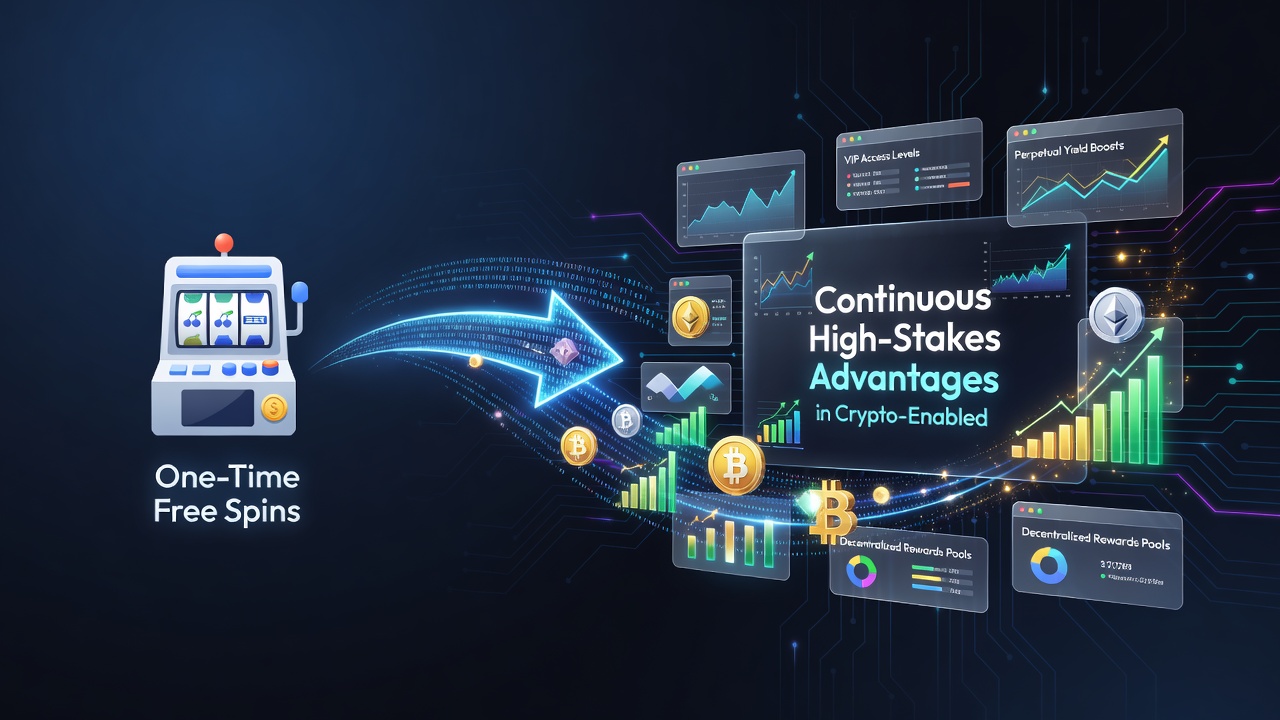
Many platforms start participants with one-time free spin allocations upon account creation or first deposit, yet the underlying code often includes triggers that convert those early interactions into longer-term benefits. Researchers at academic institutions studying digital economies have documented how these triggers function through token-based tracking, where each spin or wager adds data points that unlock subsequent tiers. Figures reveal that platforms using Ethereum or similar networks reduced processing delays for reward activation compared to traditional systems, creating smoother transitions from single-use offers to repeated access.
Progression Pathways and Stake Adjustments
Once users complete initial requirements, algorithms evaluate factors such as total wagered amounts and frequency of sessions to determine eligibility for elevated benefits, including reduced house edges on select games or priority access to high-limit tables. Studies from research institutions show that these pathways often incorporate loyalty multipliers that scale with crypto holdings, allowing players to convert accumulated points into real-time advantages like instant cashback on losses above certain thresholds. One analysis of platform data highlighted cases where participants who began with modest spins later received continuous deposit matches tied to their wallet activity, extending value beyond the starting phase.
Role of Regulatory Developments Through Late 2026
By November 2026, updates from bodies such as the Pennsylvania Gaming Control Board influenced how operators structured cross-border incentives, requiring clearer disclosure of terms that govern the move from temporary spins to sustained perks. Similar guidance emerged in other regions, where agencies emphasized audit trails for blockchain transactions to verify that advantages remained available only to verified accounts. Those who've examined these shifts note that compliance measures encouraged platforms to embed verifiable conditions into their reward engines, reducing disputes while maintaining operational flow.
Technical Integration of Ongoing Advantages
Smart contracts enable automatic distribution of high-stakes elements, such as elevated betting limits or exclusive tournament entries, based on cumulative activity metrics stored on distributed ledgers. Industry organizations tracking adoption rates found that platforms integrating these contracts saw measurable increases in average session lengths, as users pursued the next unlocked feature rather than exiting after initial offers expired. Evidence suggests that crypto volatility plays a role here, with some systems hedging rewards against token fluctuations to keep advantages stable for participants.
Comparative Analysis Across Platforms
Platforms operating in different jurisdictions display variations in how they link starter incentives to perpetual structures, with some emphasizing volume-based crypto staking rewards while others focus on game-specific multipliers. Reports from groups like the Australian Gaming Council outline patterns where users in Asia-Pacific markets encountered faster escalations to high-stakes options due to localized network efficiencies. Observers note that these differences often stem from infrastructure choices rather than promotional intent alone, affecting how quickly one-time spins convert into repeated benefits.
Conclusion
The documented evolution of incentives on crypto-enabled platforms demonstrates a clear movement from isolated free spin distributions toward systems that sustain player engagement through automated, data-driven advantages. Evidence from regulatory filings and platform analytics continues to illustrate how blockchain elements support this transition while meeting emerging compliance standards as of late 2026. Those monitoring the sector can track further adjustments through ongoing reports from relevant oversight bodies and research entities.