Casino Rewards Evolution in Global Digital Spaces: From Entry Bonuses to Enduring Player Advantages
Logan Frank · Sep 11, 2026
Casino Rewards Evolution in Global Digital Spaces: From Entry Bonuses to Enduring Player Advantages
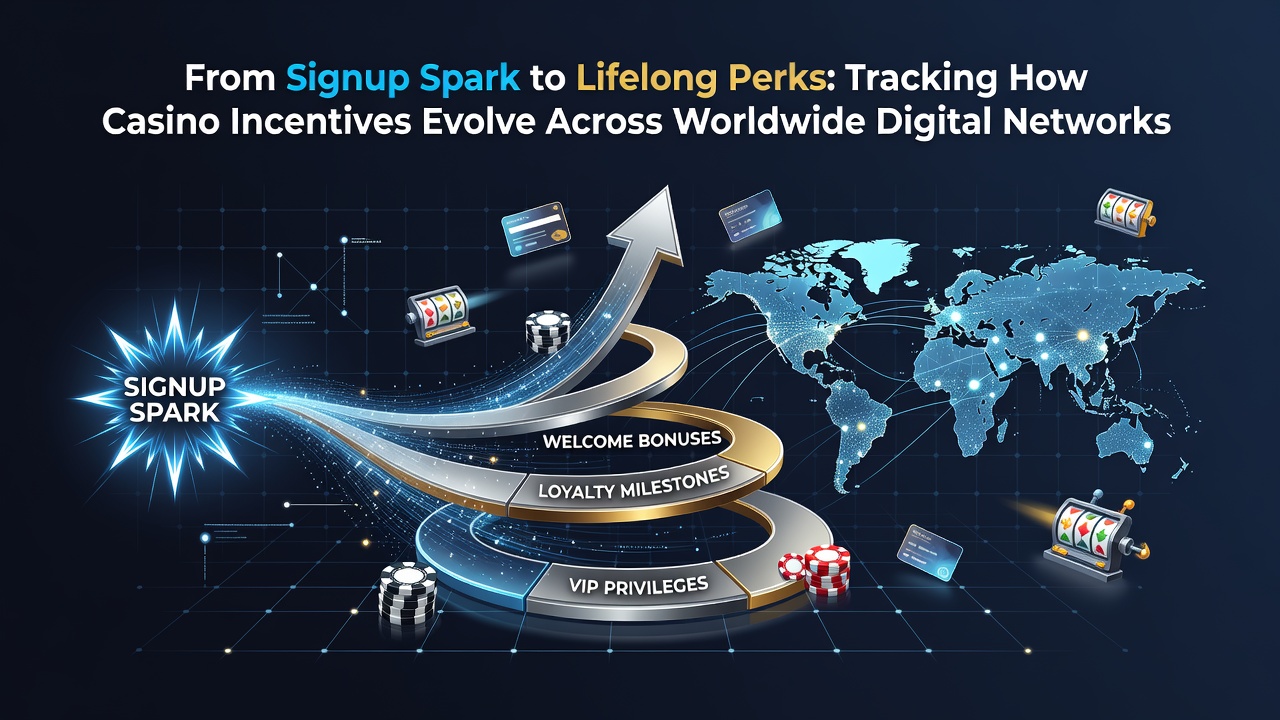
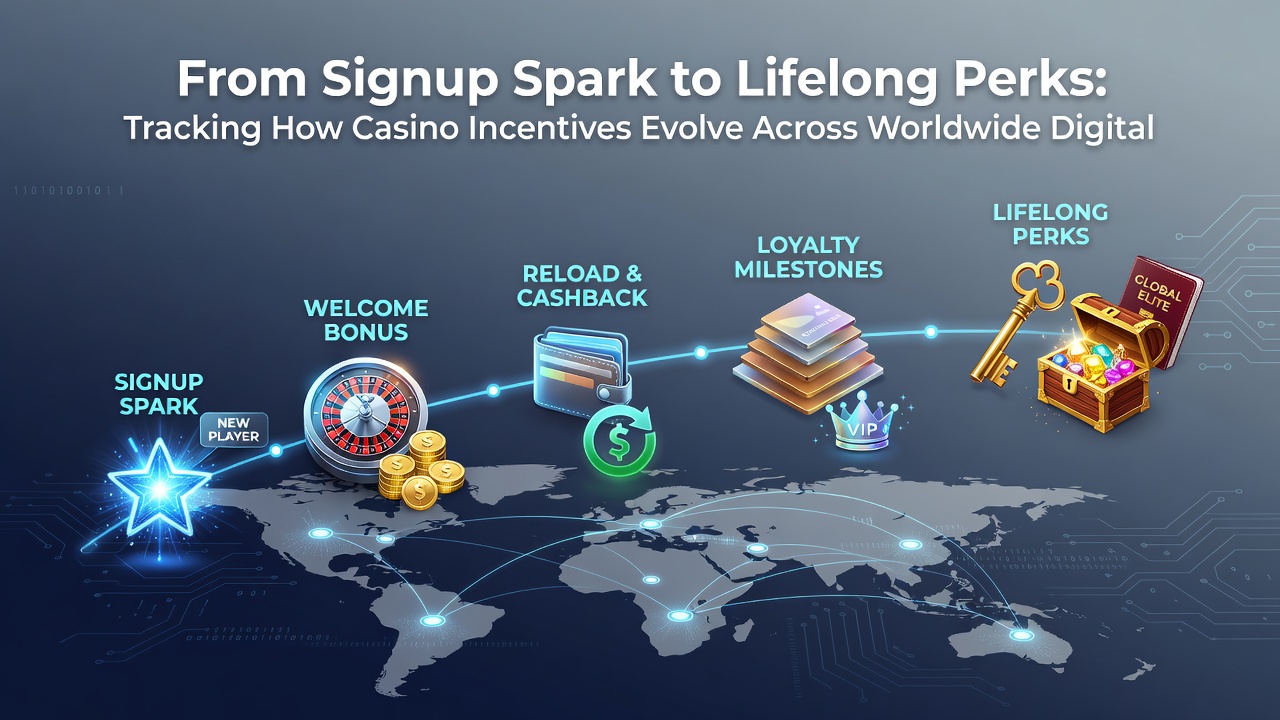
Online casino incentives begin at the signup stage with welcome packages that typically include deposit matches, free spins, and no-deposit credits, then shift over time into structured loyalty frameworks that deliver ongoing value through tiered programs and personalized offers, and data from multiple regulatory regions shows this progression occurs across blockchain-enabled networks as well as traditional platforms. Operators track player activity from the first deposit onward, using algorithms that adjust reward frequency and type based on engagement metrics collected in September 2026 across European, North American, and Asian markets.
Initial Signup Mechanisms in Worldwide Networks
Signup incentives function as entry points where new accounts receive fixed-value bonuses tied to verification steps, and these offers often cap at specific amounts while carrying wagering multipliers that range from 20x to 50x according to platform rules. Research from Canadian provincial gaming authorities indicates that no-deposit spins constitute a growing share of first-contact rewards in provinces with licensed digital operators, while deposit-match structures dominate in markets such as New Jersey and Pennsylvania. Players move from these one-time triggers into account histories that feed loyalty databases, and this data trail determines eligibility for later-stage benefits without requiring additional manual enrollment.
Transition Patterns from Short-Term to Sustained Rewards
Once initial bonuses clear their requirements, systems automatically enroll qualifying accounts into ongoing programs that replace sporadic free spins with cashback percentages, reload matches, and milestone payouts tied to cumulative wagering volume. Observers note that this shift happens within 30 to 90 days for most active users, and the change coincides with the introduction of personalized communication that references prior play patterns. In September 2026, reports from the Nevada Gaming Control Board highlighted increased use of time-limited flash offers layered on top of base loyalty structures, creating hybrid models that blend instant triggers with long-term accumulation.
Those who monitor cross-border platforms observe that crypto-based casinos accelerate the transition by converting loyalty points into token rewards that carry real-world value outside the original site, and this feature reduces player churn compared with fiat-only environments. The mechanics rely on smart-contract automation rather than manual approvals, allowing seamless upgrades from welcome packages to perpetual benefit streams.
Regional Regulatory Influences on Incentive Lifecycles
European operators licensed under Malta or Gibraltar frameworks must publish clear terms that govern how signup offers convert into loyalty points, whereas Australian state regulators emphasize responsible gambling messaging embedded within every reward notification. Data compiled by the American Gaming Association shows that U.S. state-by-state rules create variation in maximum bonus values and expiration windows, yet the underlying evolution from entry rewards to retention protocols remains consistent. Meanwhile, emerging Asian digital markets apply different caps on free-spin quantities during the signup phase but permit broader VIP structures once players reach higher activity thresholds.
Links between regulatory updates and operator practices appear in public filings, and one example involves recent adjustments to point-expiration policies that now align more closely with player lifetime value calculations rather than fixed calendar dates. These changes reflect coordinated efforts between industry groups and oversight bodies to maintain transparency across transnational networks.
Technical Infrastructure Supporting Long-Term Perks
Blockchain integration enables immutable records of every bonus claim and redemption, which in turn supports audit trails required by multiple jurisdictions. Platforms using distributed ledgers can issue lifetime perks such as reduced house edges or exclusive tournament access without relying on centralized databases that risk single-point failures. According to industry reports from the European Gaming and Betting Association, adoption rates for such systems rose measurably between 2024 and 2026, particularly among operators serving players across several continents simultaneously.
Algorithms analyze session length, game preference, and deposit frequency to determine when an account graduates from basic welcome incentives to customized retention offers, adn this process occurs without human intervention in most automated environments. The result is a continuous reward pipeline that adapts in real time to individual behavior patterns recorded across worldwide digital networks.
Conclusion
The progression from signup incentives to lifelong perks follows observable patterns driven by player data, regulatory requirements, and technological capabilities that span multiple continents. Operators maintain these systems through automated tracking that begins at account creation and continues indefinitely for retained users, while regional authorities ensure transparency at each stage of the reward lifecycle. Figures released in September 2026 confirm sustained growth in loyalty-program participation across licensed digital platforms, underscoring the structural shift toward enduring engagement frameworks rather than isolated promotional events.