Dissecting Multi-Tiered Reward Hierarchies in Borderless Digital Gaming Environments
Jakob Russell · Oct 9, 2026
Dissecting Multi-Tiered Reward Hierarchies in Borderless Digital Gaming Environments
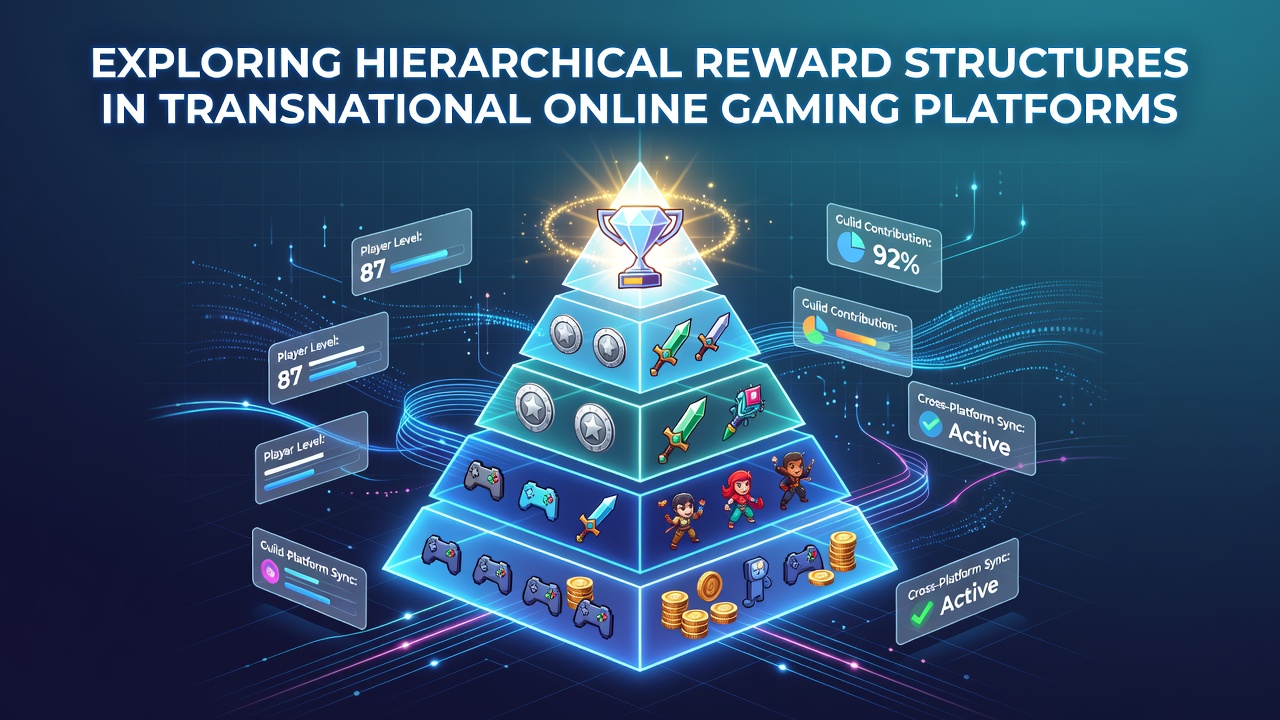
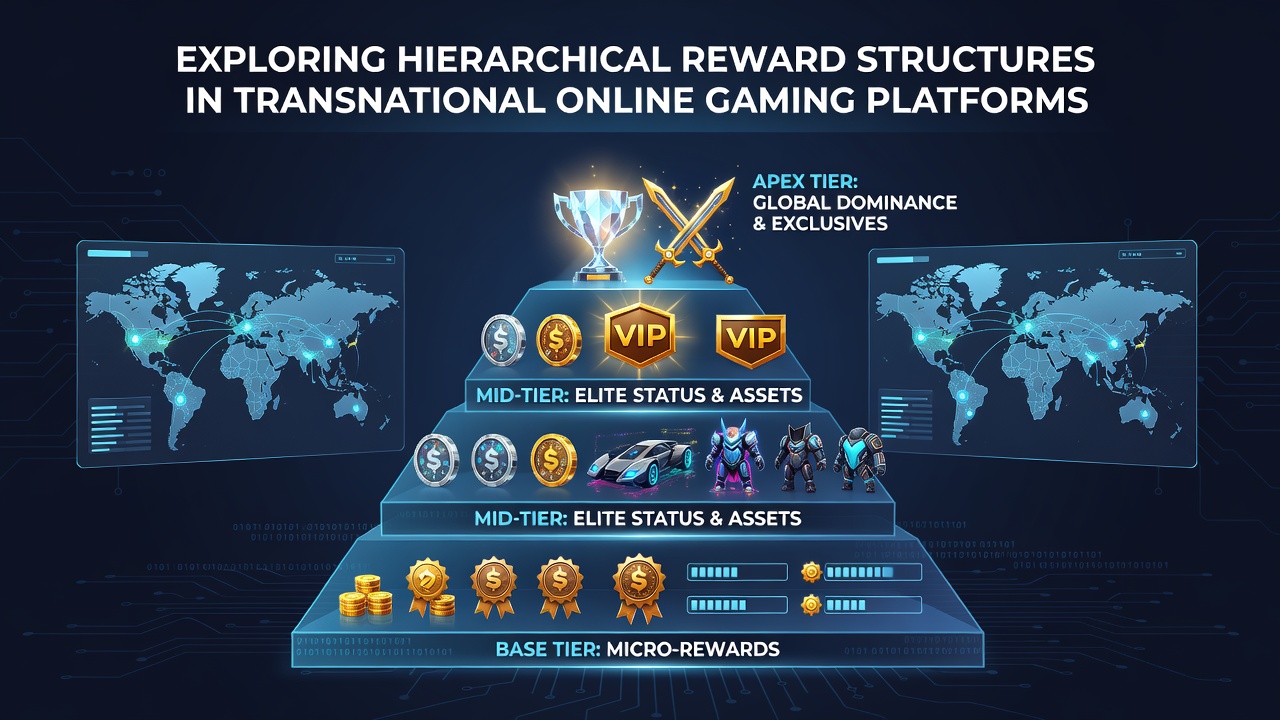
Hierarchical reward structures in transnational online gaming platforms organize player benefits into distinct levels that begin with entry-level incentives and scale upward based on activity metrics such as deposit volume, session duration, and game variety selection, and these frameworks operate across multiple jurisdictions where local regulations shape how tiers are defined and delivered. Platforms serving users in North America, Europe, Asia, and Australia coordinate these systems to maintain consistency while complying with regional rules, and data from industry analyses show that higher tiers often unlock reduced wagering multipliers, exclusive event access, and customized support channels.
Foundational Elements of Entry-Level Tiers
Entry-level tiers typically require minimal initial engagement, such as account verification and a first deposit within defined parameters, while subsequent progression depends on accumulated points derived from wagers placed across slots, table games, and live dealer options; observers note that these base layers function as onboarding mechanisms that introduce players to core platform features without immediate pressure to escalate spending. Regulatory bodies in various regions enforce transparency requirements around these structures, and figures from the Nevada Gaming Control Board indicate steady growth in reported online platform activity through mid-2026, with October 2026 reports highlighting continued integration of tiered rewards into mobile applications used by cross-border users.
Progression Pathways and Point Allocation Systems
Advancement through tiers occurs via algorithmic calculations that convert gameplay data into loyalty points, and these systems frequently incorporate time-bound multipliers during promotional windows to accelerate movement between levels, while thresholds for each tier vary by platform yet commonly include metrics like total wagered amount over a rolling 30-day or 90-day period. Researchers have documented that platforms adjust point values according to game contribution percentages, assigning higher rates to certain categories such as video poker or blackjack to guide player behavior, and this approach allows operators to balance revenue streams across different verticals while sustaining engagement across time zones in transnational operations.
Regional Adaptations in Tier Implementation
Platforms operating across borders adapt hierarchical structures to align with local licensing conditions, and in Australia the Australian Communications and Media Authority oversees advertising and player protection elements tied to reward tiers, whereas Canadian provincial frameworks emphasize responsible gaming disclosures that appear at each tier upgrade notification. European operators navigate varying national rules under broader EU guidelines, and case examples from operators active in multiple markets demonstrate how tier benefits such as cashback percentages or event invitations are prorated or restricted based on user location to avoid regulatory conflicts. Data compiled through October 2026 shows increased synchronization between these regional adaptations and blockchain-based tracking tools that verify activity without compromising user privacy across jurisdictions.
Technology Integration Supporting Cross-Border Tiers
Backend systems utilize centralized databases linked to regional servers that calculate and store tier status in real time, and these infrastructures support features like instant tier upgrades upon meeting criteria along with synchronized benefit delivery regardless of user location. Industry reports from the European Gaming and Betting Association detail how such platforms employ API connections to third-party providers for seamless integration of live game data into tier algorithms, and this technical setup enables consistent experiences for users who access accounts from different countries during travel or relocation. Observers note that October 2026 updates in several platforms introduced enhanced analytics dashboards that display projected tier advancement timelines based on historical patterns, thereby providing players with clearer visibility into the requirements ahead.
Benefit Differentiation Across Higher Tiers
Higher tiers deliver differentiated perks including personalized account managers, higher withdrawal limits, and invitations to offline events hosted in partnered venues, while lower tiers focus on automated rewards such as free spin packages or deposit match extensions. Studies from research institutions tracking global gaming trends reveal that these distinctions correlate with retention rates, as players reaching mid-to-upper tiers exhibit longer average account lifespans across monitored platforms. Operators maintain audit trails for all tier-related transactions to satisfy multi-jurisdictional compliance checks, and this documentation process has grown more automated through October 2026 with the adoption of standardized reporting formats shared among regulatory partners in North America and Asia-Pacific regions.
Conclusion
Hierarchical reward structures continue to evolve within transnational online gaming platforms as operators refine algorithms, incorporate regional compliance measures, and leverage technological advancements to deliver consistent tier experiences across borders, and the patterns observed through October 2026 underscore the role these systems play in sustaining player engagement while meeting diverse regulatory expectations worldwide.